Which Path Is Right for You in Ghana?
Introduction
For most Ghanaians, owning a home is more than a financial goal, it is a cultural milestone, a mark of success, and a legacy to leave for the next generation. But when the time comes to make it happen, one fundamental question divides almost every would-be homeowner: Do I buy a ready-built house, or do I build my own?
Both paths lead to the same destination, a place to call your own, but they take very different routes to get there. Each comes with its own costs, timelines, risks, rewards, and emotional demands. And in Ghana’s unique property landscape, the right answer depends heavily on your personal circumstances, your financial position, and what you truly want from your home.
This guide breaks down both options in honest detail so you can make the decision that is right for you, your family, and your future.
Buying a House: What It Really Means
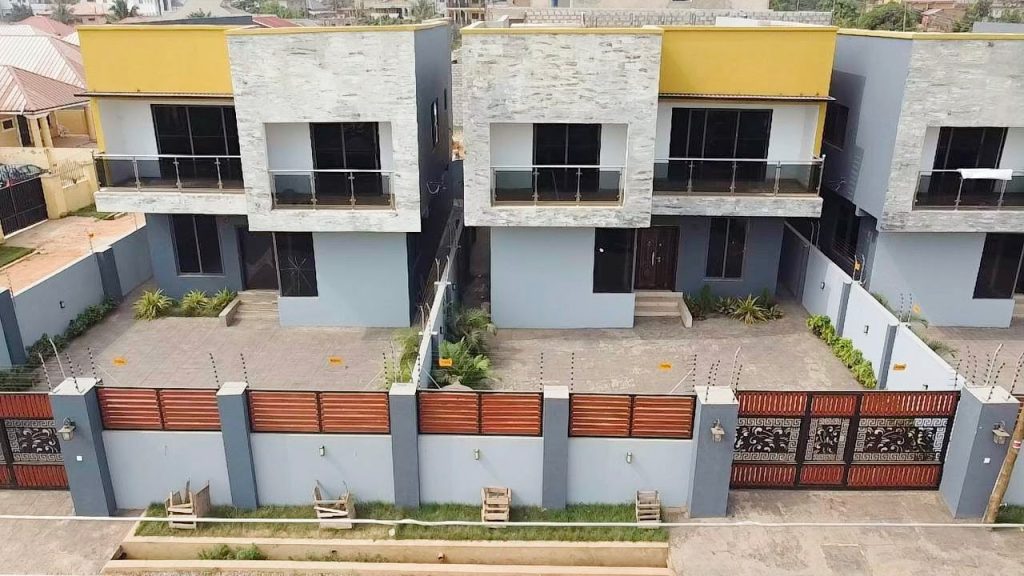
Buying a house means purchasing an existing, already-constructed property. This could be a brand new developer-built home in a housing estate, a fairly used property from a private seller, a repossessed property from a bank, or a unit in an apartment complex.
Advantages of Buying
Speed and Immediacy
The most compelling argument for buying is time. If you need a home now, whether you are returning from abroad, relocating for work, or simply done with renting, a purchase can put a roof over your head within weeks or months. There is no waiting for permits, no managing contractors, no construction delays. You sign, you pay, you move in.
Cost Certainty
When you buy, the price is generally fixed. You negotiate, you agree on a number, and barring legal or structural surprises, that is what you pay. There is a clarity to buying that construction rarely provides. You are not exposed to the volatility of cement prices, reinforcement steel costs, or a contractor who suddenly demands more money mid-project.
Established Neighborhoods
Many desirable properties for sale sit in neighborhoods that are already fully developed, with roads, utilities, schools, shops, and community infrastructure in place. When you build on a raw plot, you may be living in a developing area for years before the surrounding environment matures.
Lower Initial Complexity
Buying is operationally simpler. You do not need to engage architects, engineers, contractors, surveyors, and permit offices. You deal primarily with the seller, a lawyer, and your bank if financing is involved. For people with demanding careers or those who simply do not want the stress of managing a construction project, this simplicity is invaluable.

The Disadvantages of Buying
What You See Is What You Get
When you buy an existing property, you inherit its layout, its design decisions, its quirks, and its flaws. You may not love the kitchen placement, you may want more bedrooms, or the compound may be smaller than you imagined. Renovating after purchase adds cost and disruption, and some structural decisions simply cannot be undone without a major rebuild.
Hidden Defects and Structural Problems
Ghana’s property market has a well-documented problem: many houses are built without proper professional oversight. Buying a property, especially from a private seller, means you could be inheriting poor-quality construction hidden behind fresh paint and new tiles. Without a professional structural inspection before purchase, you may discover cracked foundations, faulty wiring, poor drainage, or substandard materials only after you have moved in.
Never purchase a property in Ghana without first engaging a qualified structural engineer to inspect it. The cost of an inspection is negligible compared to the cost of discovering problems after signing.
Title and Land Disputes
Ghana’s land tenure system is complex, with multiple overlapping authorities such as family lands, stool lands, government lands, and individual titles often creating confusion and disputes. Buying a house means buying into that complexity. Properties with unclear or disputed titles have trapped many buyers in costly legal battles for years. Due diligence through a competent solicitor is not optional, it is essential.
Premium Pricing in Desirable Areas
In sought-after areas like East Legon, Cantonments, Labone, Trasacco Valley, Sakumono, Adenta, the price of finished homes reflects not just construction cost but location premium, developer profit margin, and market demand. You pay for the convenience and the address. In many cases, building on a plot you already own in a comparable area costs significantly less than buying in the same neighborhood.
Building a House: What It Really Means
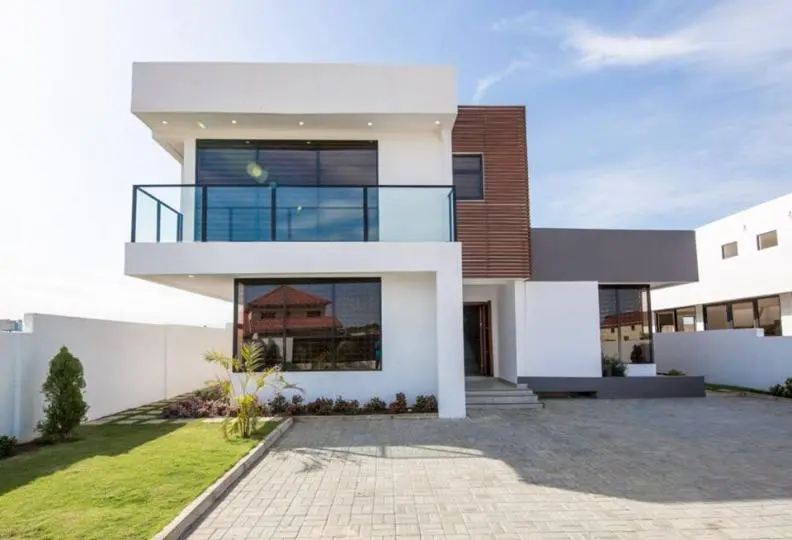
Building a house means starting from a piece of land and constructing a property to your own specifications. This process involves acquiring or already owning a plot, engaging an architect to design the building, obtaining planning permits, hiring contractors, and overseeing construction from foundation to finishing.
Advantages of Building
Complete Customization
This is the single biggest reason most Ghanaians aspire to build rather than buy. When you build, you decide everything: how many rooms, how large they are, where the windows face, what the kitchen looks like, how the compound is laid out, what materials are used, and what finishes are applied. You build a home that fits your life, not one you have to adapt your life to fit.
Building in Phases
One of the great underappreciated advantages of building in Ghana is the ability to construct in phases. You can build the main structure first, occupy it, and then add a boys’ quarters, a second storey, or additional rooms as your finances allow. This phased approach makes homeownership accessible to people who could never afford to buy a finished property outright.
Quality Control
When you build, you are in control of the quality of every material used and every stage of construction, provided you have the right professionals in place. You choose the grade of cement, the quality of reinforcement bars, the thickness of your walls. You are not at the mercy of a developer who cut corners to maximize profit.
Long-Term Financial Value
In many parts of Ghana, the total cost of building a comparable property is lower than its market sale price. A house that costs a certain amount to build from scratch may sell on the open market at a notably higher value, particularly in developing but increasingly desirable areas. You build equity from day one.
Emotional and Cultural Satisfaction
There is something deeply personal about building your own home in Ghana. It is tied to identity, to family legacy, to the sense of having truly created something. Many Ghanaians describe building their house as among the most meaningful things they have ever done, even with all its challenges.
Disadvantages of Building
Takes a Lot of Time
Building is slow. From acquiring land and getting it surveyed, to engaging an architect, obtaining permits, starting construction, and reaching a stage where you can move in, even a modest residential project in Ghana typically takes one to three years. For many, this means years of continued rent payments while also funding construction. The emotional and financial strain of that dual burden is real and should not be underestimated.
Cost Overruns and Budget Unpredictability
Construction costs in Ghana are highly volatile. The price of cement, steel, roofing materials, and other key inputs fluctuates significantly and can spike dramatically during periods of economic instability or currency depreciation. Projects routinely cost more than initially budgeted, sometimes by a wide margin. Without a detailed bill of quantities and tight financial management, what starts as a planned budget can balloon well beyond what was anticipated.
Always build a contingency of at least 15–20% into your construction budget. In Ghana’s economic environment, cost overruns are the rule, not the exception.
The Contractor Problem
One of the most commonly cited nightmares of building in Ghana is dealing with unreliable contractors. Abandonment mid-project, poor workmanship, demand for advance payments, and disappearing with funds are unfortunately common experiences. Without professional supervision, ideally by the architect who drew your plans, quality and accountability are very difficult to maintain.
Complexity and Stress
Managing a construction project is a second job. Sourcing materials, following up with contractors, making constant design decisions, dealing with permit offices, handling disputes on-site, it demands time, energy, and expertise that many people do not have. For those in demanding careers, living abroad, or without local support networks, this complexity can become overwhelming.
Land Acquisition Risks
If you do not already own land, buying a plot in Ghana carries its own significant risks, including fraud, multiple sales of the same plot, and boundary disputes. The land acquisition process in Ghana requires just as much legal diligence as buying a finished house.
Factors That Should Shape Your Decision
Ghana presents a unique set of conditions that make this decision more nuanced than in many other countries. Here are the Ghana-specific realities that should inform your thinking:
The Rental Trap
Rental costs in Accra and other major cities have risen sharply in recent years, and the advance payment system, where tenants are often required to pay two years’ rent in advance, places enormous financial pressure on households. For many Ghanaians, the urgency of escaping this system pushes them toward buying, even if building would ultimately be more financially advantageous.
Diaspora Considerations
A significant portion of Ghana’s property investment comes from Ghanaians living abroad. For diaspora buyers, purchasing an existing property is often more practical, it is quicker, requires less on-the-ground management, and is easier to handle from thousands of miles away. Building from abroad, while possible, requires an extraordinary level of trust in a local representative and carries heightened risks of mismanagement.
Developer Housing Estates
Ghana has seen significant growth in planned housing estates and gated communities, from affordable housing projects to high-end developments. These offer a middle ground: you buy a new property with some degree of customization options, in a planned environment, often with infrastructure provided. For some buyers, this represents the best of both worlds.
Financing and Mortgages
Ghana’s mortgage market remains limited and expensive by international standards, with interest rates that make long-term borrowing costly. Construction loans are even harder to access than purchase mortgages. This financial reality means most Ghanaians fund construction incrementally from savings, which is why phased building is so common. If you have access to a mortgage or external funding, buying may become more viable than it would be purely on savings.
Location and Land Availability
In inner-city Accra, available plots of land are increasingly scarce and expensive. Buying an existing property may be the only realistic way to access a preferred location. In peri-urban areas, new towns, or regional capitals, land is more available and affordable, making building a more attractive option.
Who Should Buy, and Who Should Build?
Consider Buying If You…
- Need a home urgently and cannot wait years for construction
- Are based abroad and cannot closely supervise a build
- Prefer a fixed, predictable total cost
- Are moving to a well-developed area where land is scarce
- Have access to mortgage finance and want to use it
- Do not want the stress of managing contractors and construction
- Are purchasing as an investment and want rental income quickly
Consider Building If You…
- Already own land or can acquire it at a reasonable price
- Want full control over your home’s design and quality
- Are able to manage or closely supervise construction
- Can fund construction incrementally over time
- Want to build in phases as finances allow
- Are building a family compound or multi-generational home
- Are willing to invest the time and patience the process demands
Conclusion
There is no universally correct answer to whether you should buy or build a house in Ghana. Both are legitimate, worthwhile paths to homeownership, each with its own strengths and its own demands.
Buying a house offers speed, simplicity, and certainty. It is the right choice when time is of the essence, when you want a finished product without the complexity of construction, and when the right property in the right location is available. But it requires rigorous due diligence on title, structure, and legal standing, and you will pay a premium for the convenience.
Building a house offers customization, quality control, and long-term value. It is the right choice when you have land, time, patience, and a clear vision for what you want. It is harder, slower, and more uncertain, but the result, if managed well, is a home that is entirely yours in every sense of the word.
Whatever path you choose, the principles remain the same: engage the right professionals, do your legal due diligence, plan your finances conservatively, and never cut corners on quality. Your home is not just where you will live, it is the foundation of everything you are building for yourself and your family.