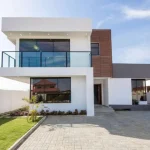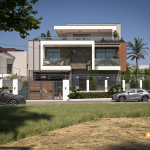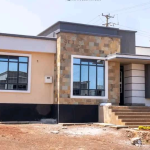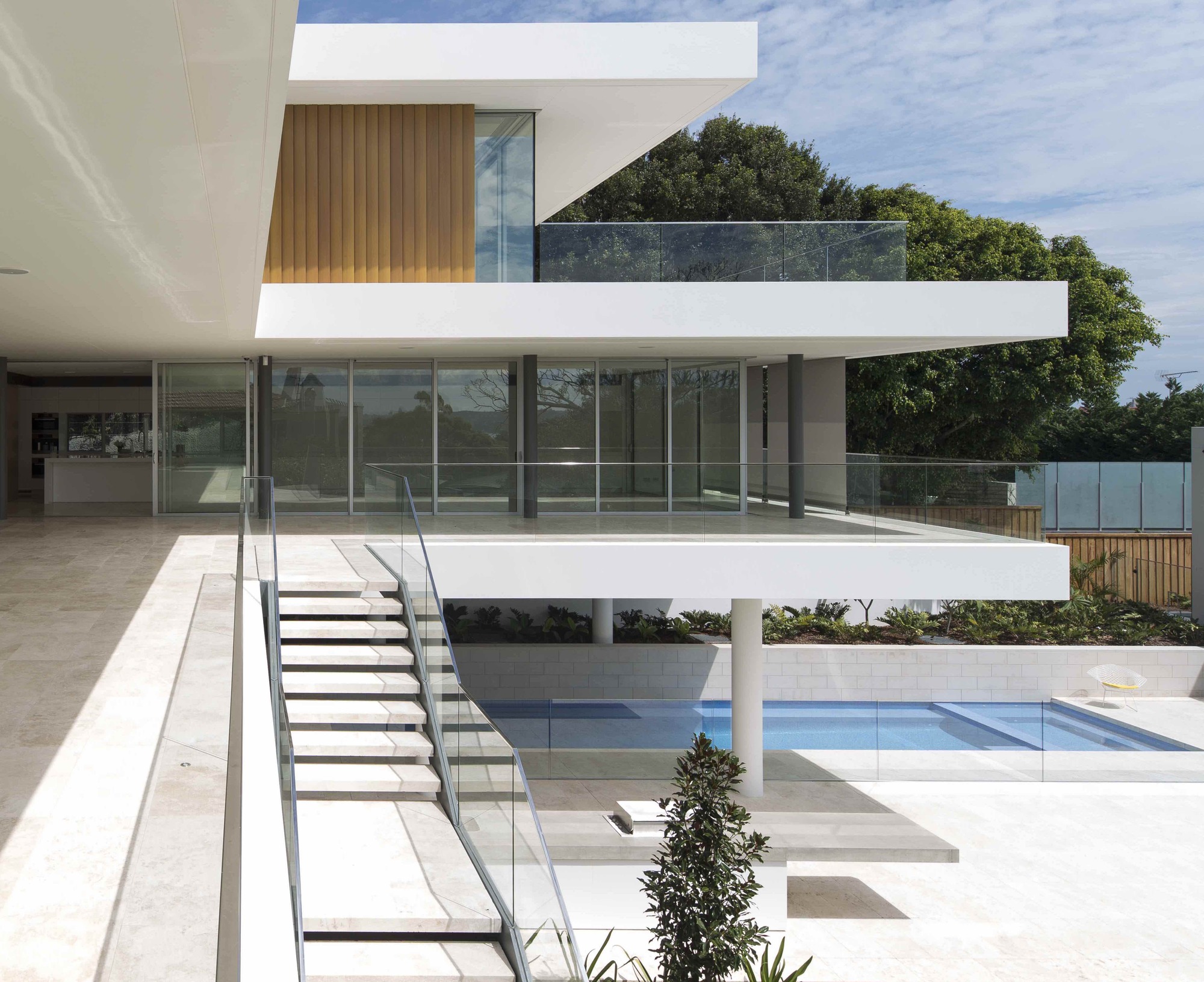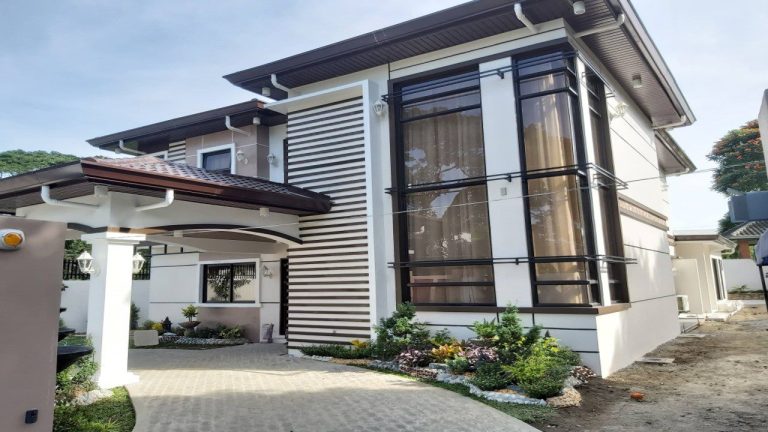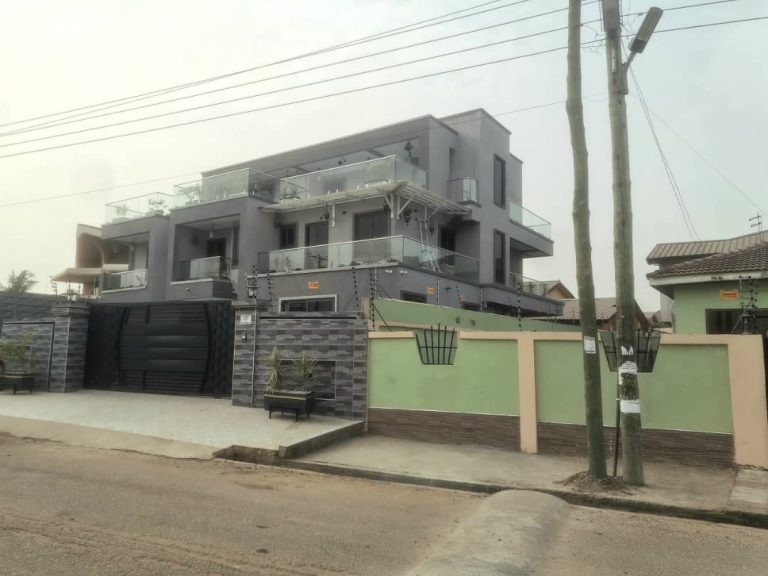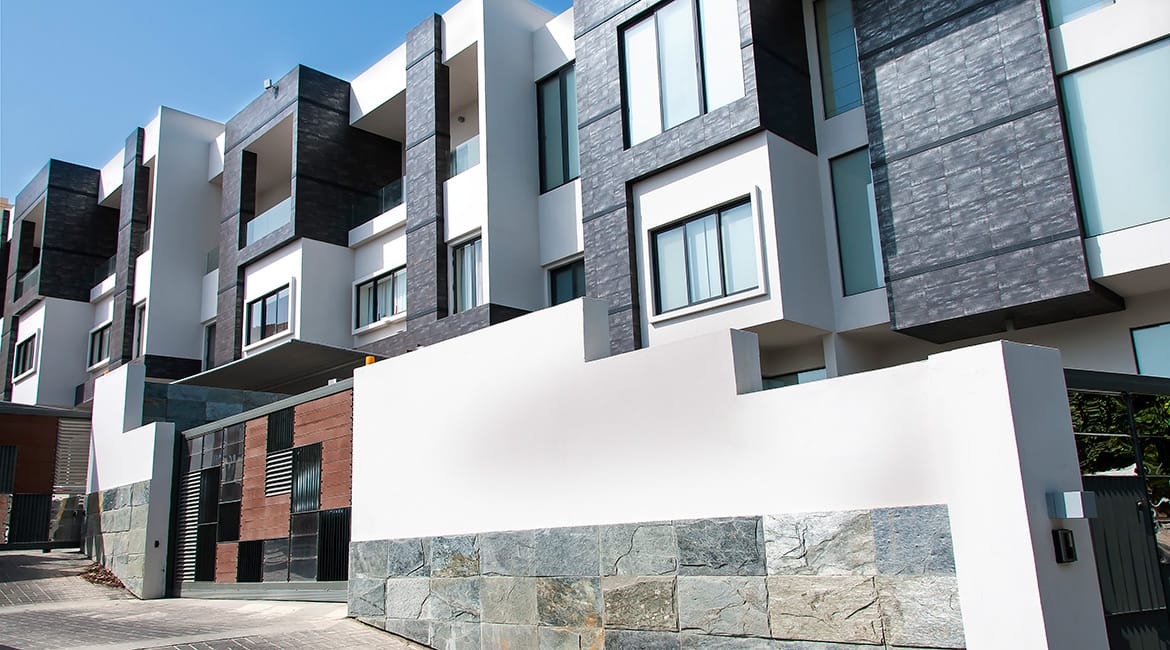
Building a house in Ghana can be an exciting journey—but without the right knowledge, it can quickly become overwhelming. From selecting land to receiving the keys, every stage plays a critical role in determining the success of your project.
Understanding the step-by-step process of building a house in Ghana helps you avoid costly mistakes, delays, and poor workmanship. Whether you plan to supervise the project yourself or hire professionals, having the right knowledge puts you in control.
At this point, you might be asking: “What are the main stages involved in building a house?”
Don’t worry—we’ve broken everything down into three key phases:
Understanding the Step-by-step process of building a house in Ghana
-
- Pre-Construction Stage
- Construction Stage
- Post-Construction Stage
Let’s walk through each step in detail.
1. Pre-Construction Stage (Planning Phase)
This is the most critical phase of your project. Proper planning here determines whether your building project will succeed or fail.
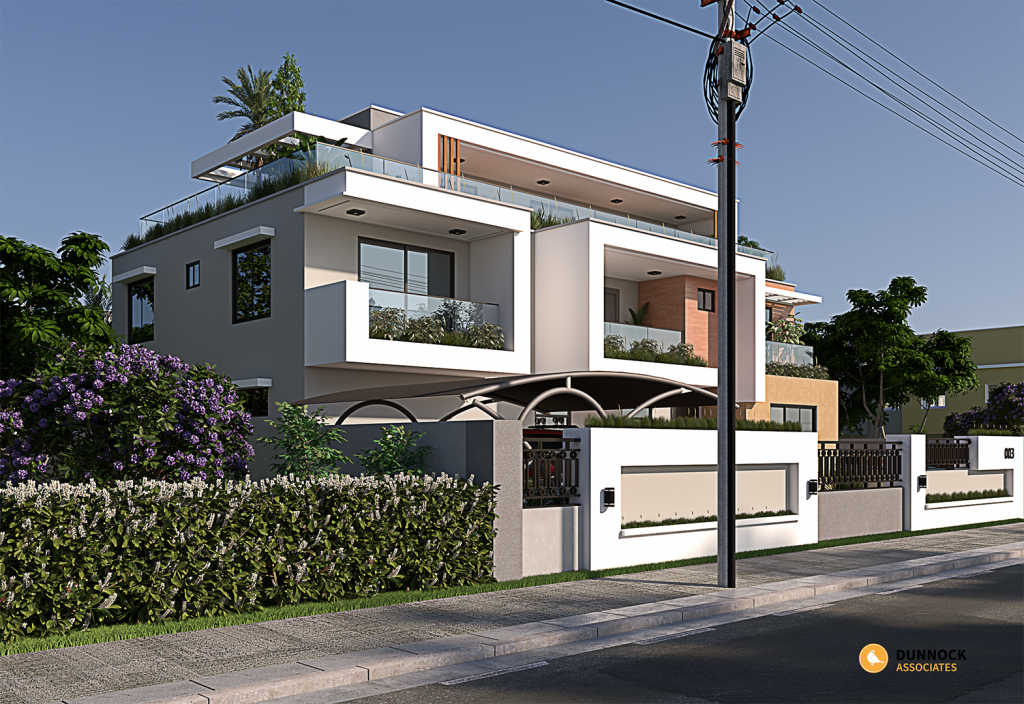
Construction documents are detailed drawings and specifications that guide the entire building process. These include:
-
- Architectural drawings (plans, elevations, sections)
- Structural drawings
- Electrical and plumbing layouts
These documents are essential for:
-
- Obtaining building permits
- Guiding contractors during construction
- Ensuring compliance with building regulations
👉 It is highly recommended to hire a licensed architect and structural engineer to prepare these drawings based on your needs.
1.2 Bill of Quantities (BoQ)
A Bill of Quantities (BoQ) is a detailed document that outlines:
-
- Materials required
- Labour costs
- Quantities of work
It helps to:
-
- Accurately estimate total project cost
- Prevent overspending
- Improve transparency between client and contractor
🔎 BoQ vs BoM:
-
- BoQ = Covers materials + labour + scope of work
- BoM (Bill of Materials) = Covers only materials
Before construction begins, you must obtain a building permit from your local Metropolitan, Municipal, or District Assembly (MMDA).
Requirements typically include:
-
- Architectural and structural drawings
- Land documents (indenture/title certificate)
- Site plan
📌 Key facts:
-
- Permits are usually valid for 5 years
- Inspections are carried out before approval
- Costs vary depending on project size
1.4 Hiring a Professional Builder
Choosing the right contractor is one of the most important decisions you will make. Many projects in Ghana fail—not because of lack of funds—but due to hiring the wrong people.
What to look for:
-
- Valid licenses and certifications
- Proven experience and past projects
- Strong client reviews and references
- Financial stability
- Clear communication
💡 Always:
-
- Request multiple quotations
- Avoid choosing based on price alone
- Sign a detailed contract (scope, timeline, payment terms)
A good contractor ensures quality work, cost control, and timely delivery.
2. Construction Stage (Execution Phase)
This is where your plans become reality. Every step here must be executed with precision and proper supervision.
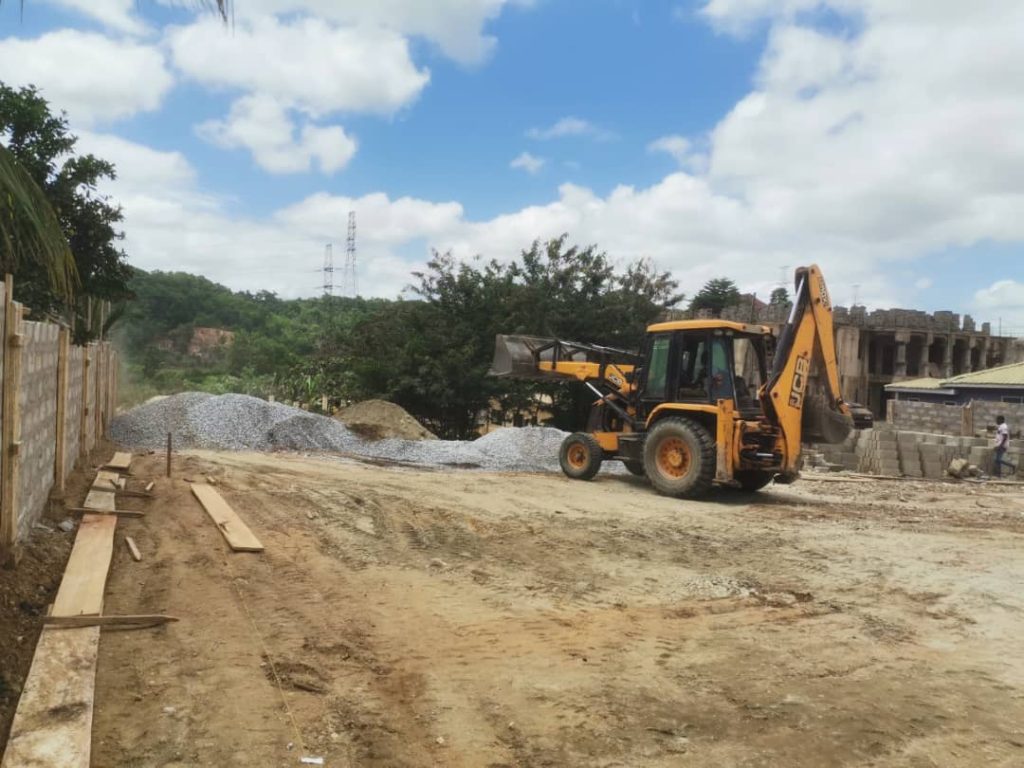
2.1 Site Preparation
This involves preparing the land for construction.
-
- Clearing vegetation or demolishing old structures
- Leveling and grading the land
- Setting out the building
Proper site preparation ensures a smooth construction process.
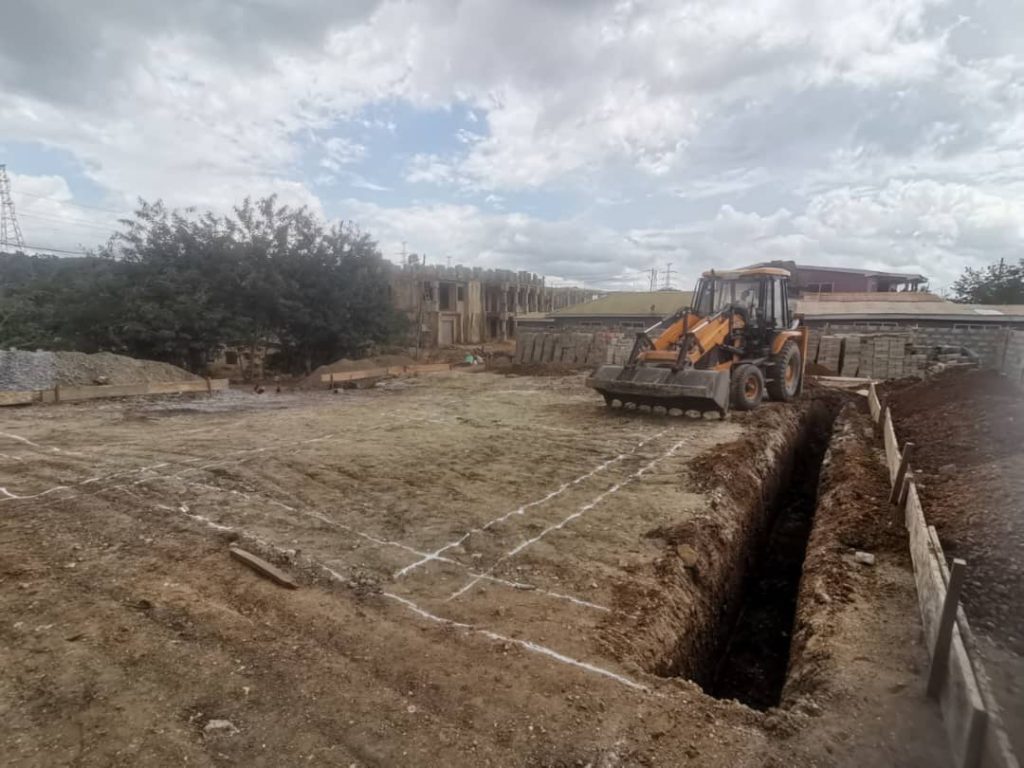
2.2 Substructure (Foundation Works)
The substructure is the part of the building below ground level. It supports the entire structure.
It includes:
-
- Foundation
- Columns
- Plinth beam
- Retaining walls
💡 This stage determines the strength and stability of the building.
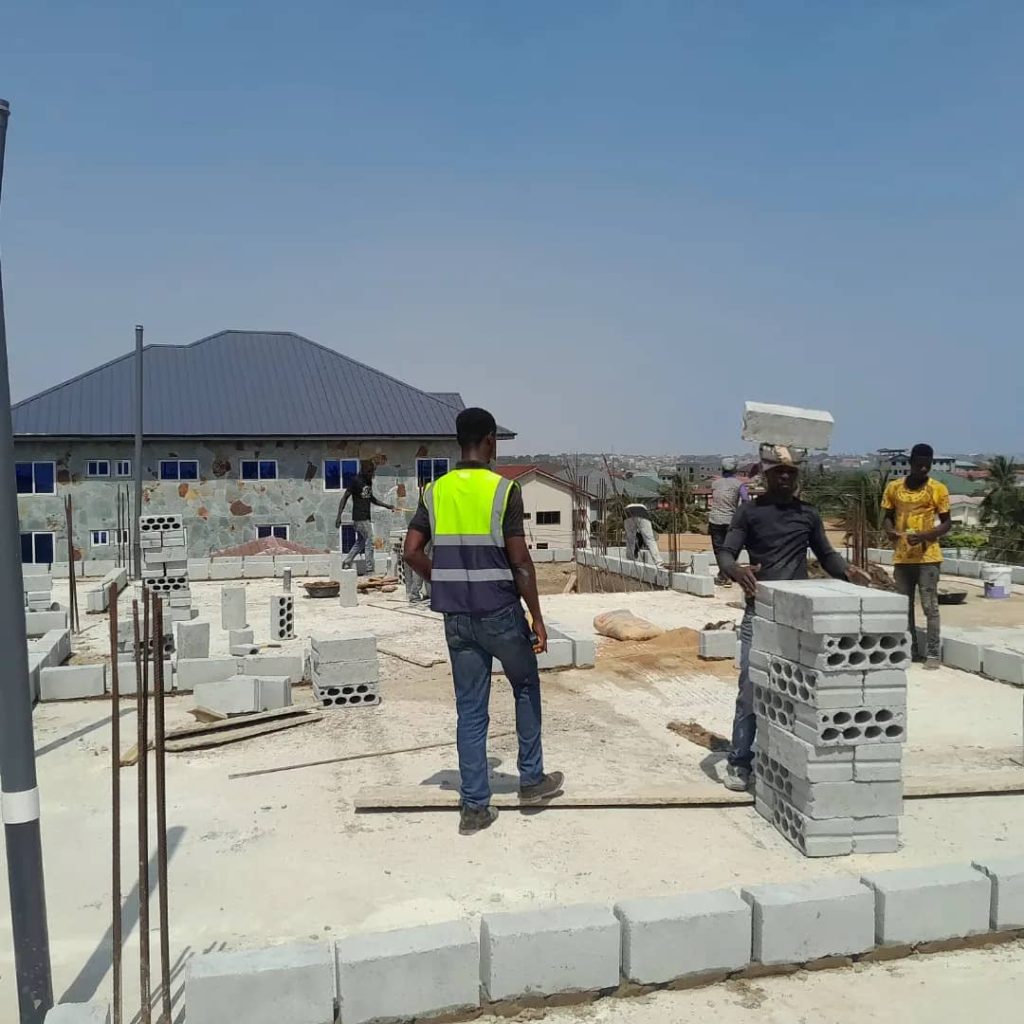
2.3 Superstructure (Above Ground Structure)
The superstructure is the visible part of the building above ground level.
It includes:
-
- Beams and columns
- Walls and floors
- Lintels
- Doors and windows
- Stairs and ramps
This stage defines the shape and functionality of the building.
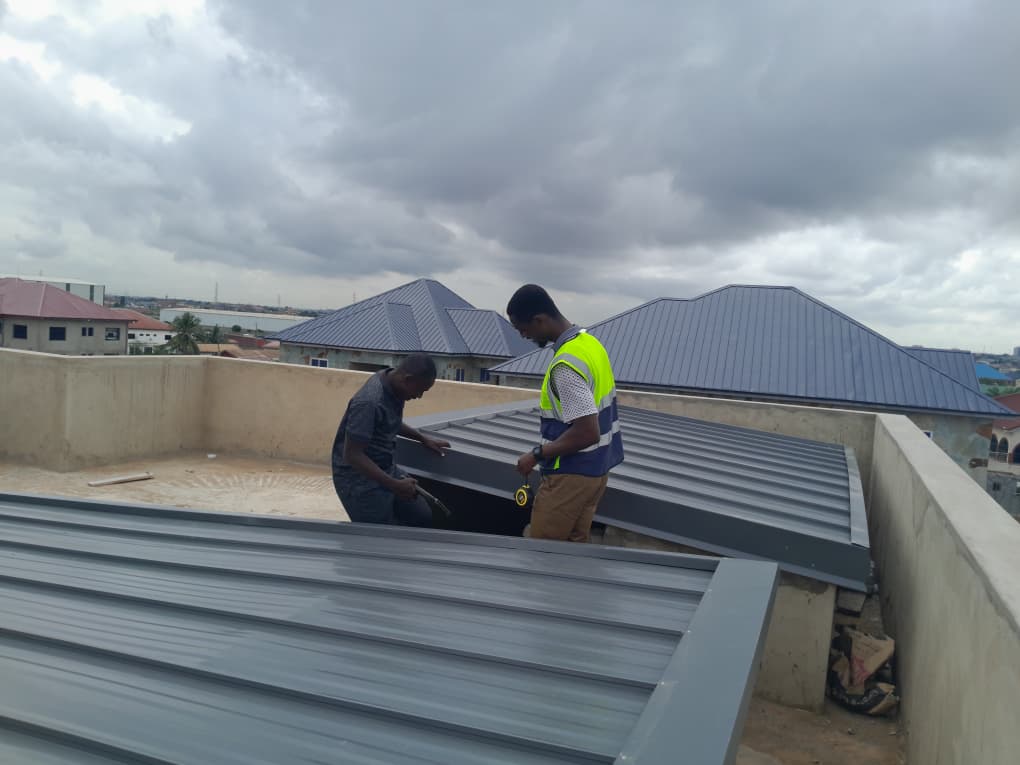
2.4 Roofing
Roofing provides protection against weather and completes the structure.
It involves:
-
- Installation of trusses and purlins
- Fixing roofing sheets or tiles
- Installing gutters and drainage systems
📌 Common roof types in Ghana:
-
- Gable
- Hip
- Flat
- Mansard
2.5 Mechanical, Electrical & Plumbing (MEP)
MEP systems make the building functional and comfortable.
-
- Electrical: Wiring, lighting, CCTV, alarms
- Mechanical: Ventilation, HVAC systems
- Plumbing: Water supply and drainage
💡 MEP can account for 25–30% of total construction cost.
2.6 Finishing Works
This stage determines the final look and feel of the building.
Includes:
-
- Plastering and painting
- Tiling and flooring
- Ceiling installation
- Doors and fittings
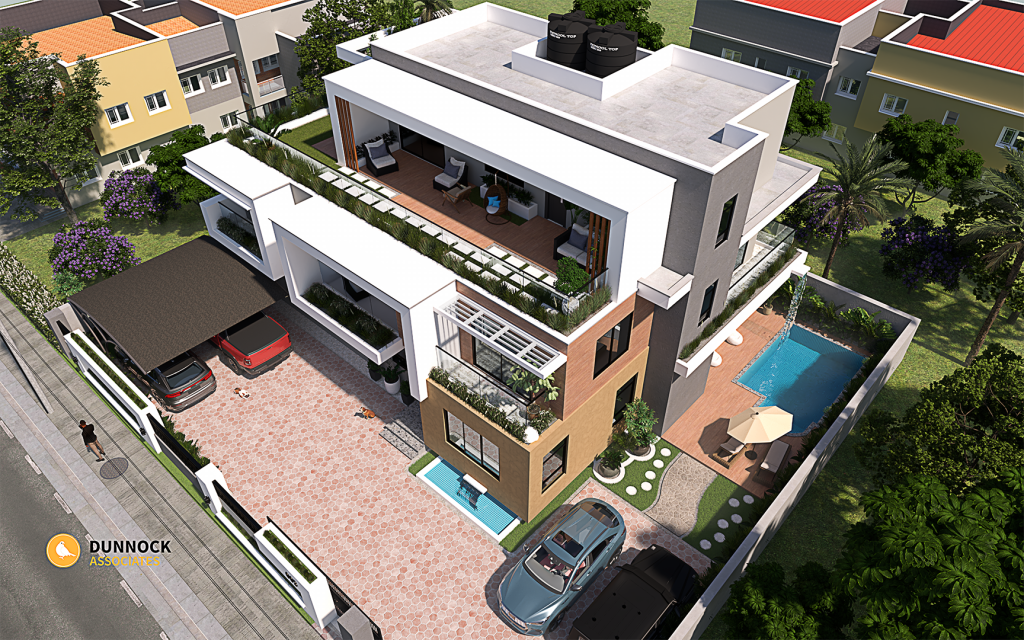
2.7 External Works and Landscaping
This is the final touch that enhances the building’s surroundings.
It includes:
-
- Driveways and walkways
- Drainage systems
- Fencing and gates
- Landscaping (grass, trees, gardens)
✔ Improves aesthetics
✔ Increases property value
✔ Enhances usability
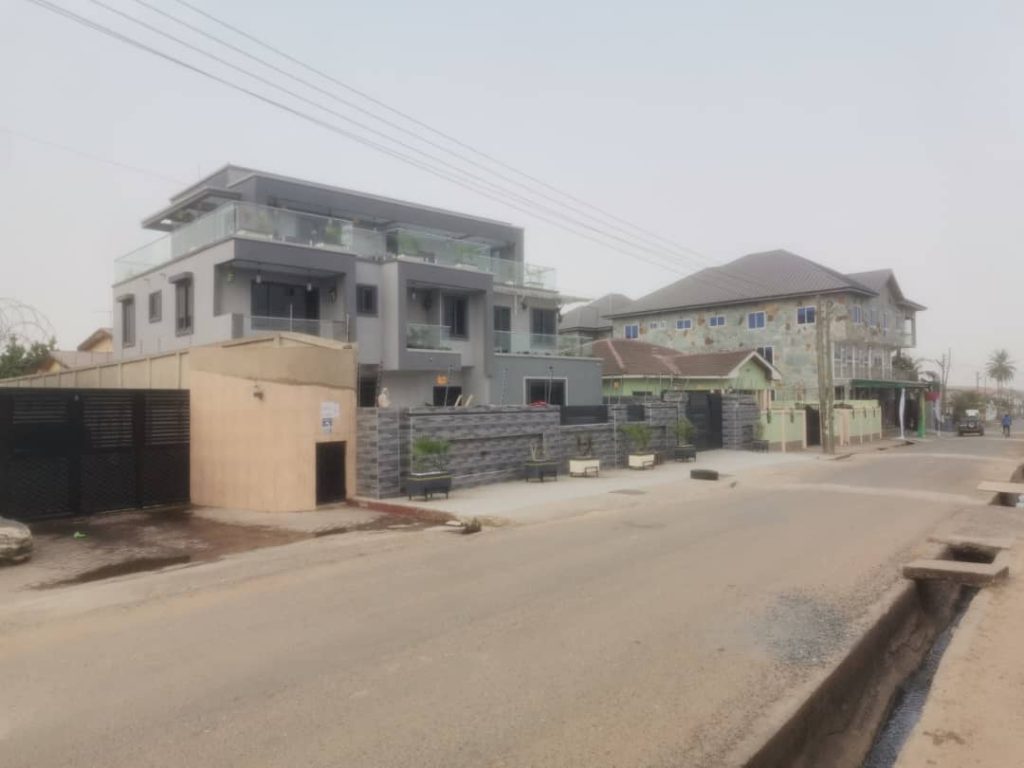
3. Post-Construction Stage (Completion & Handover)
This is the final stage where the project is prepared for use.
3.1 Snagging (Punch List)
A detailed inspection is done to identify defects such as:
-
- Paint issues
- Faulty fittings
- Minor structural defects
3.2 Testing and Commissioning
All systems are tested to ensure proper functionality:
-
- Electrical systems
- Plumbing
- Safety systems
3.3 Documentation and Handover
The contractor provides:
-
- As-built drawings
- Operation & maintenance manuals
- Warranties
3.4 Defects Liability Period
A period (usually 12–24 months) where the contractor fixes any issues after handover.
3.5 Final Payment
The final payment is made once the project is completed and approved.
Final Thoughts
Building a house in Ghana requires proper planning, the right professionals, and strict supervision.
To succeed:
✔ Plan thoroughly before starting
✔ Hire qualified professionals
✔ Follow the right construction process
✔ Never compromise on quality
Need Help Building in Ghana?
We provide:
-
- Architectural design
- Cost estimation (BoQ)
- Construction & project management