Introduction
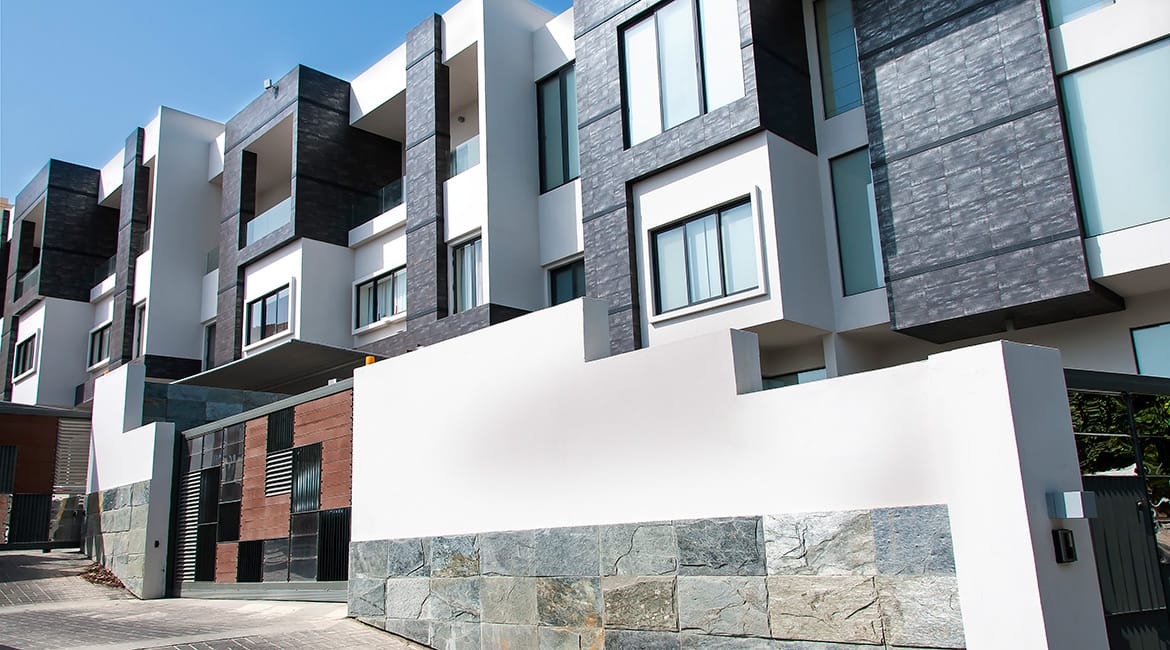
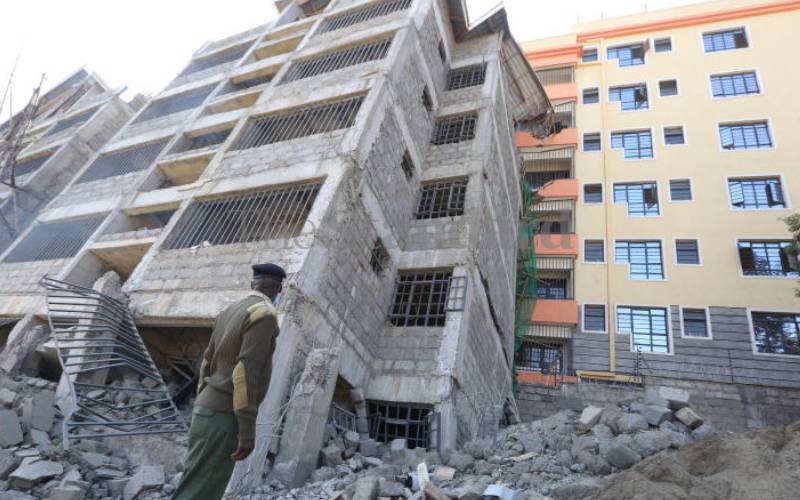
Building collapse in Ghana has become a growing concern, affecting homeowners, developers, and the construction industry at large. From residential buildings to commercial structures, these failures often result in loss of lives, financial damage, and legal consequences.
The alarming part? Most of these incidents are completely preventable.
In this guide, we break down the causes of building collapse in Ghana and provide practical, professional solutions to ensure safe and durable construction.
What Causes Building Collapse in Ghana?
1. Poor Structural Design
One of the leading causes of structural failure is inadequate or incorrect design.
When load calculations are wrong or structural elements are poorly sized, the building cannot support its own weight or external forces.
Common design issues include:
- Undersized beams and columns
- Inadequate reinforcement
- Poor load distribution
2. Lack of Soil Testing
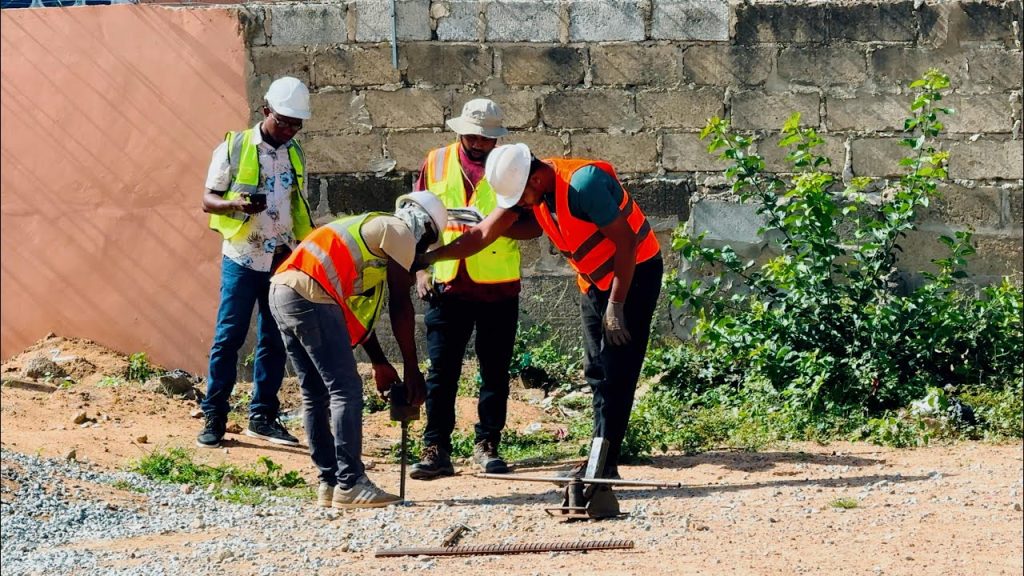
Skipping soil investigation is a common but costly mistake in Ghana’s construction sector.
Without proper testing:
- Foundations may fail
- Buildings may settle unevenly
- Structural cracks may develop
3. Use of Substandard Materials
Using cheap or low-quality materials weakens the entire structure.
Examples include:
- Weak concrete (low cement content)
- Inferior reinforcement bars
- Poor-quality blocks
4. Poor Workmanship
Even the best designs can fail due to poor execution.
- Common workmanship issues:
- Incorrect concrete mixing
- Improper reinforcement placement
- Lack of technical knowledge
5. Lack of Professional Supervision
Construction without proper supervision often leads to serious structural defects.

6. Weak Enforcement of Building Regulations in Ghana
Although Ghana has building codes, enforcement is often inconsistent.
This allows:
- Illegal developments
- Use of unqualified personnel
- Unsafe construction practices
How to Prevent Building Collapse in Ghana
1. Start with Proper Architectural and Structural Design
Every safe building begins with a solid plan.
Ensure:
- Detailed architectural drawings
- Accurate structural calculations
- Compliance with international and Ghanaian codes
2. Conduct Soil Testing Before Construction
This step determines the type of foundation your building needs.
A proper soil test helps:
- Prevent foundation failure
- Improve structural stability
- Reduce long-term risk
3. Use Quality Materials Only
Do not compromise on materials—it’s a direct investment in safety.
Focus on:
- Correct concrete mix ratios
- Certified steel reinforcement
- High-quality blocks
4. Ensure Professional Supervision
A qualified engineer should oversee:
- Foundation works
- Structural framework
- Finishing stages
- This ensures everything is built according to plan.
5. Employ Skilled Labor
Trained workers ensure proper execution of technical tasks.
Invest in:
- Certified artisans
- Continuous training
- Experienced contractors
Failure at any stage can lead to collapse.
Warning Signs of a Potential Building Collapse, If you notice any of these, consult a professional immediately.
Why You Should Work with Professionals
- Hiring professionals is not a luxury—it’s a necessity.
- Working with a qualified architecture and construction firm ensures:
- Compliance with building regulations
- Safe and durable structures
- Long-term cost savings

Conclusion
Building collapse in Ghana is largely preventable. The key issue is not lack of knowledge but failure to apply engineering principles.
A combined effort involving engineers, government, and stakeholders is required to ensure safe construction practices. Building collapse in Ghana is largely preventable when the right steps are taken.
By focusing on:
- Proper design
- Quality materials
- Skilled labor
- Strong supervision
- and fully compliant.
To mitigate the risk of building collapse in Ghana, it is imperative to ensure professional supervision throughout the construction process. Engaging qualified engineers guarantees that all aspects of the project adhere to established safety standards. Additionally, employing skilled labor is essential, as trained workers execute technical tasks with precision, reducing the likelihood of errors that could compromise structural integrity. By prioritizing these measures, stakeholders can collectively foster a safer built environment and significantly decrease the incidence of structural failures.